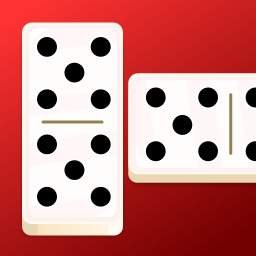

1. Players, tiles, and the basic setup
All Fives is commonly played with a standard double-six domino set. It can work with two, three, or four players. Many players think of it as the classic American scoring form of dominoes because the points happen during the hand, not only at the end.
2. The core play rule
Every placed tile must match an open end already on the table. That part is simple. The strategic layer appears after placement, because the exposed ends are then added together to check whether the move scores.
3. The core scoring rule
In All Fives, a move scores if the exposed ends total 5 or any higher multiple of five. That means 10, 15, 20, and so on are live scoring totals whenever they appear at the end of a move.
Count only the open ends that remain visible after the tile is placed. Do not count covered sides or the full board total.
4. Doubles, spinners, and naming confusion
This is where many domino rules pages become confusing. In fives-family games, the names All Fives, Muggins, and Five Up are often used differently by region and by house tradition.
- Muggins often refers to the no-spinner line version.
- All Fives often refers to a common spinner-based cross layout version.
- Five Up is often used for the variation where all doubles can become spinners.
When writing or reading rules, always check the actual mechanics, not only the title of the variant.
5. What happens if you cannot play
In many All Fives formats, you draw from the boneyard until you find a legal move or the boneyard is empty. If there is no legal move and no tile to draw, play passes.
6. How a blocked round works
A blocked round happens when the layout is stuck and no one can continue. At that point, scoring depends on the house rules or the specific All Fives format being used. Some groups compare the remaining pip totals in hand, while others follow a local scoring convention.
That is why a good rules page should separate the fixed core of All Fives from the local variations that different players treat as standard.
7. The safest way to learn the rules
Learn the fixed sequence first: match the board, count the ends, score multiples of five, then ask how your group treats doubles and blocked endings. That approach prevents most new-player confusion.