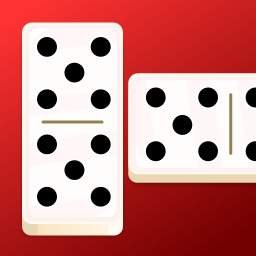

1. Count the visible ends, not the whole board
This is the most important scoring rule. New players often count too many pips because they look at the whole layout. In All Fives, only the open ends count toward the score after the move is completed.
2. Multiples of five are the scoring targets
The main live totals are 5, 10, 15, and 20. As the board grows, your job is to see those totals early and understand which placements create them without giving the opponent an even easier reply.
- 5 is an early scoring target and often appears in simple board shapes.
- 10 is one of the most common practical totals in real games.
- 15 and 20 matter more when doubles and wider layouts appear.
3. Why scoring and strategy are the same topic
In All Fives, strategy comes directly from scoring math. A move is strong when it scores for you and reduces the opponent's easy access to another multiple of five. That is why scoring guides and strategy guides naturally belong together.
4. Common counting mistakes
- Counting covered sides of the board.
- Forgetting to recalculate after a double changes the shape.
- Seeing a legal move and playing it before checking whether a better scoring total exists.
- Ignoring what total the opponent will see next.
5. The best question to ask before every move
Ask: what will the visible ends total after I place this tile? That single question improves both your scoring accuracy and your defensive awareness. It also turns a casual domino round into actual All Fives play.
6. How to practice scoring faster
Offline play is useful here because repetition matters. Try pausing before each move and predicting the end total before the tile is placed. Over time, the most common scoring shapes become automatic.